

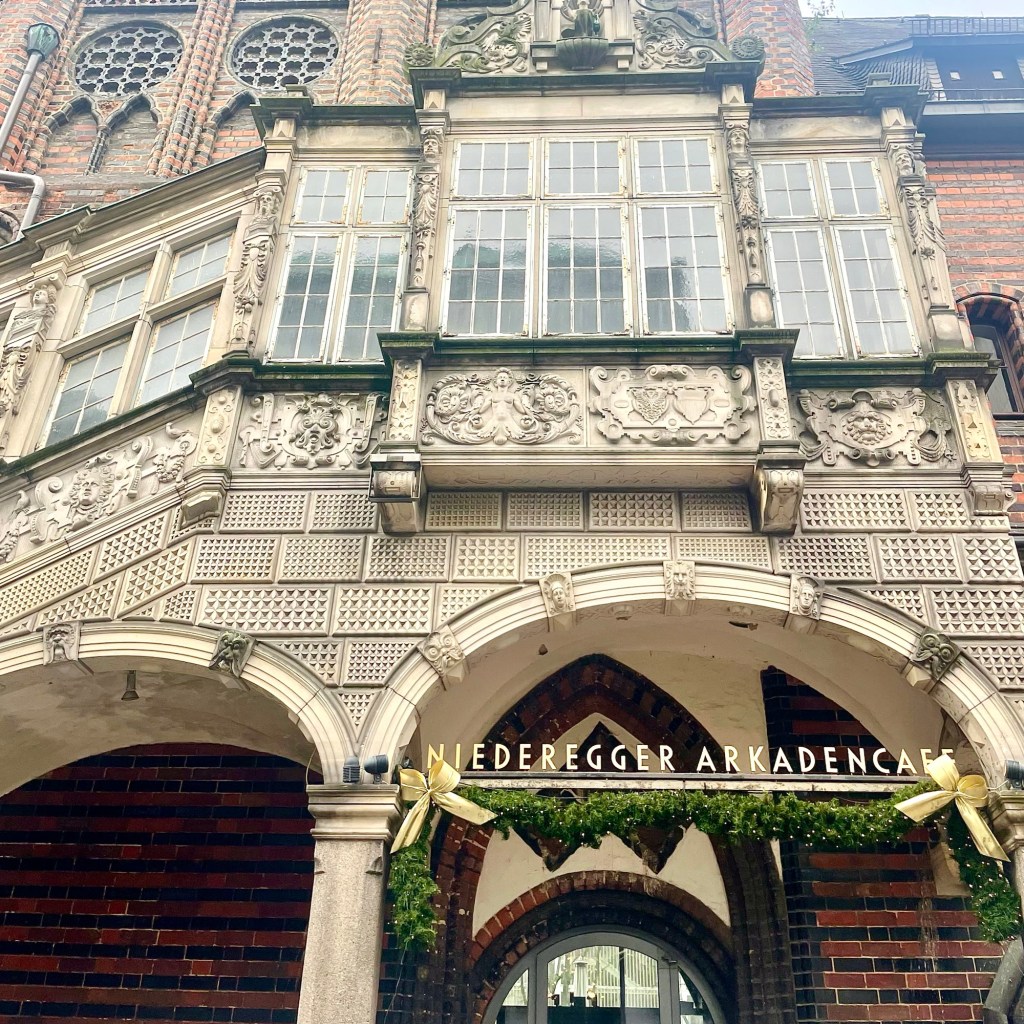
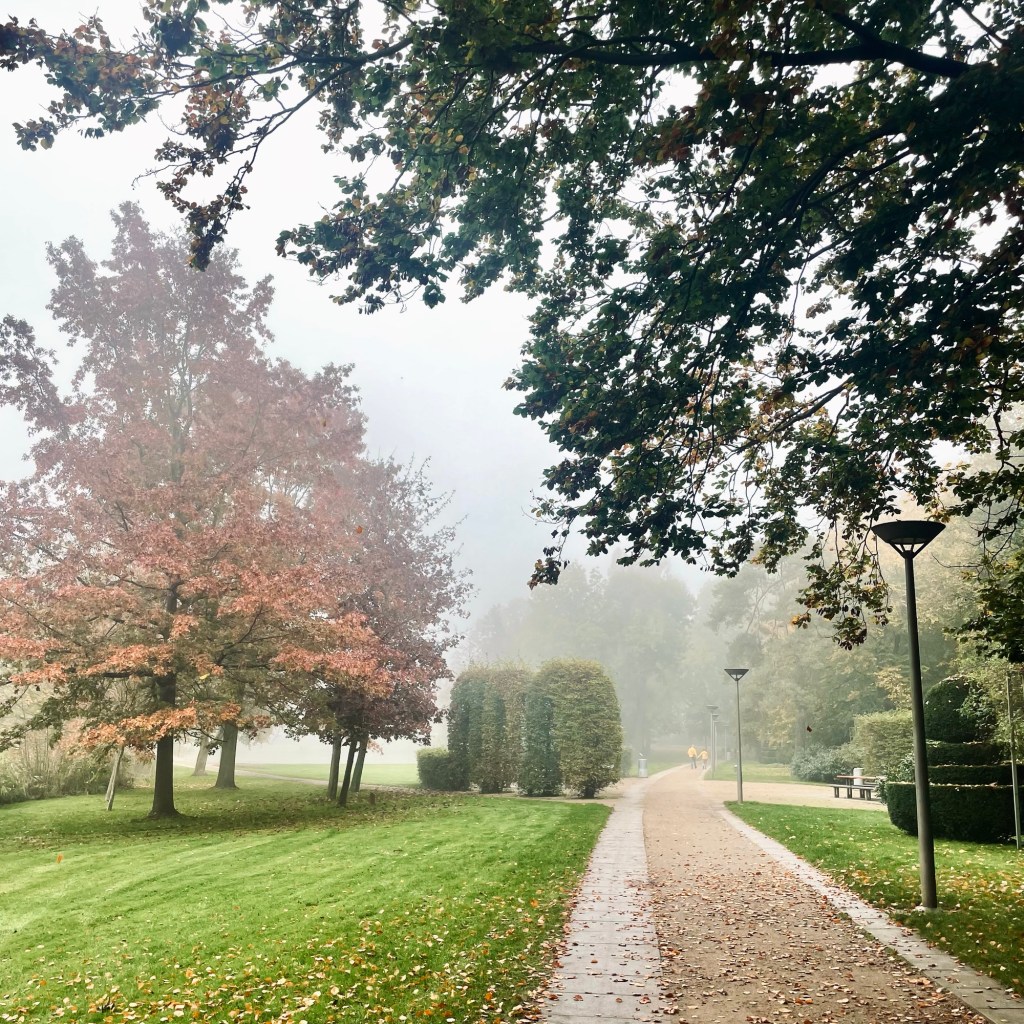
In a foggy autumn day this October at the Baltic Sea, I visited Lübeck, a Hanseatic city in Northern Germany, known also as marzipan heaven. On Breite Strasse 89, I stopped at Café Niederegger, in a beautiful building, opposite the Town Hall steps, and learned about the origins of marzipan.
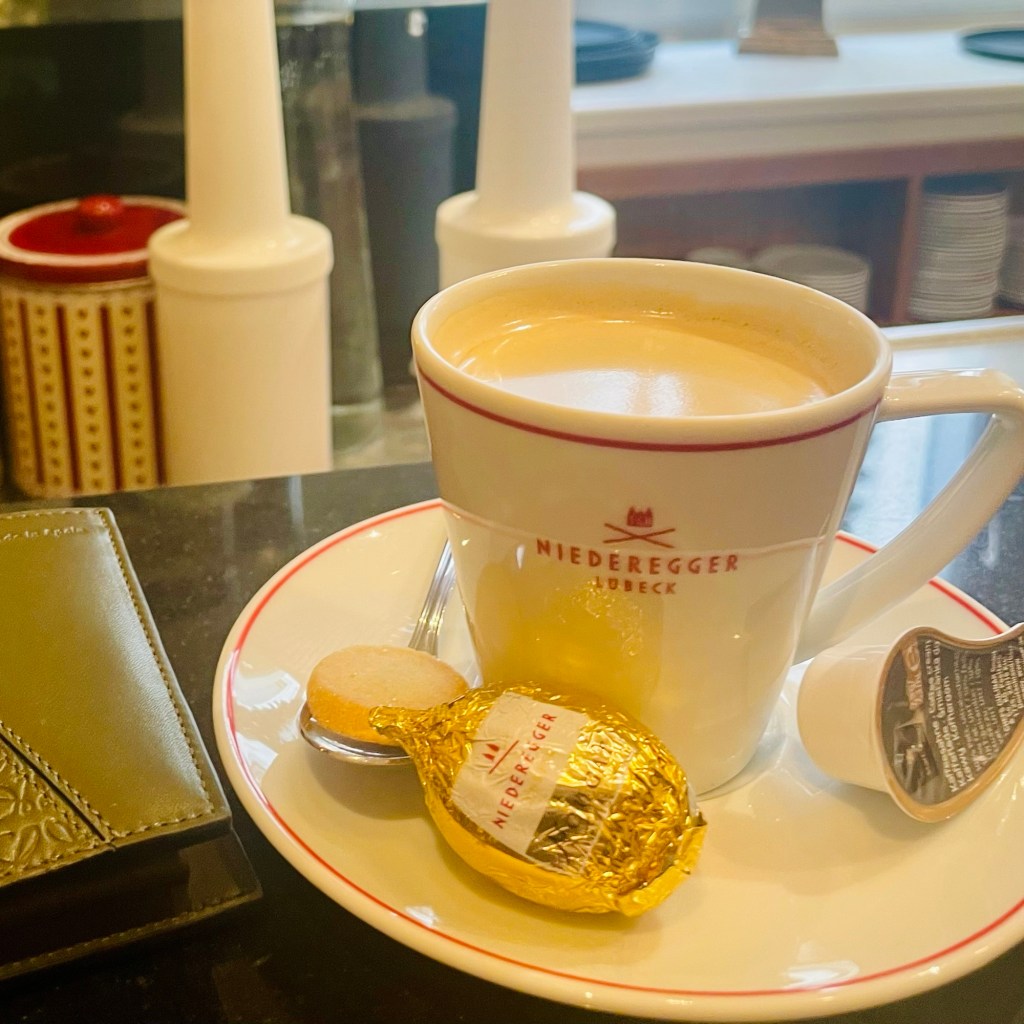
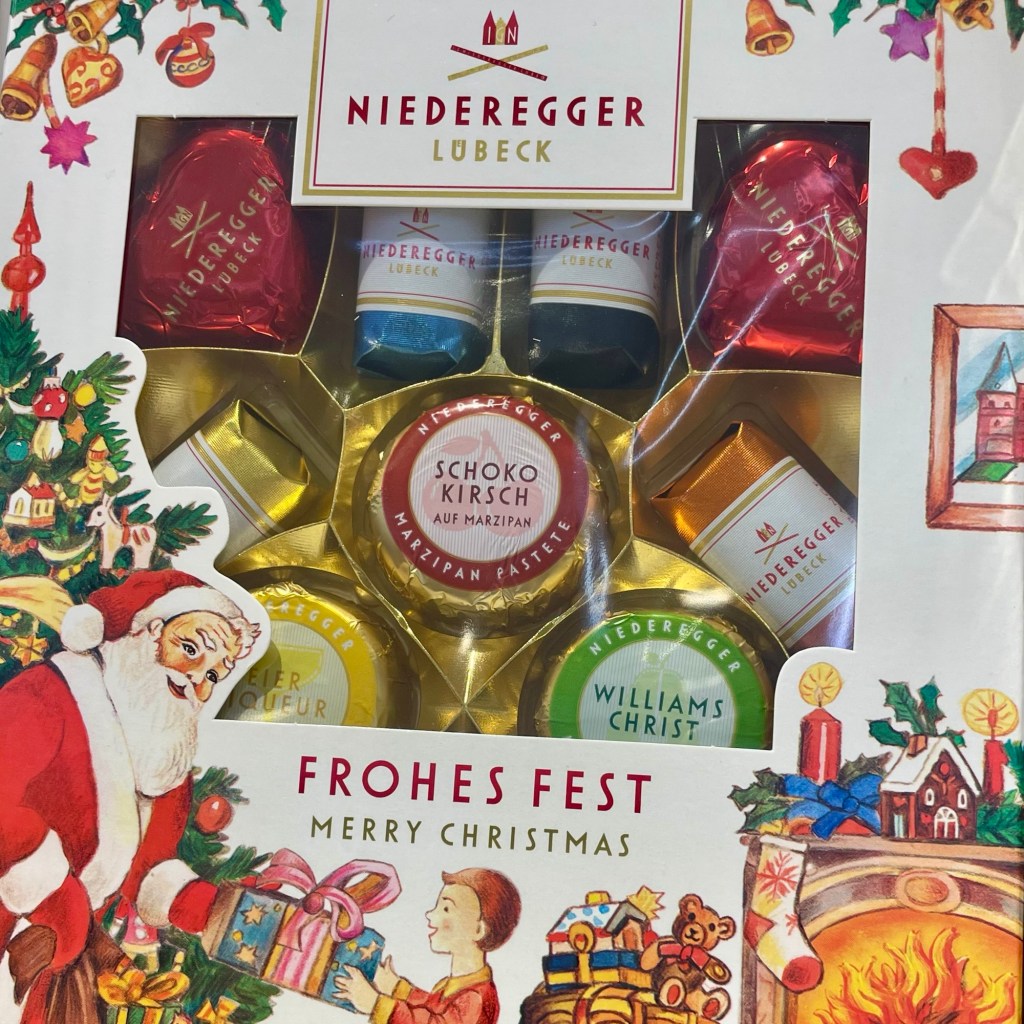
The pastry chef Johann Georg Niederegger founded it in 1806, and his family has been making sweets with marzipan for generations using premium-quality almonds and ingredients. This famous German confectionery shop has also a small café, a restaurant and a museum about the history of the sweet treat, including the biggest artwork ever created in marzipan.
Believe it or not, I love marzipan, mainly because it has almond and sugar, and for many other reasons. I first discovered it thanks to Austria’s famous round shaped bonbons Mozartkugel in Vienna and Salzburg, and also in the many frangipane almond croissants I ate in Brussels, or stollen Christmas German dessert, as I balanced to combine this with my attempt to eat (more or less) healthy.
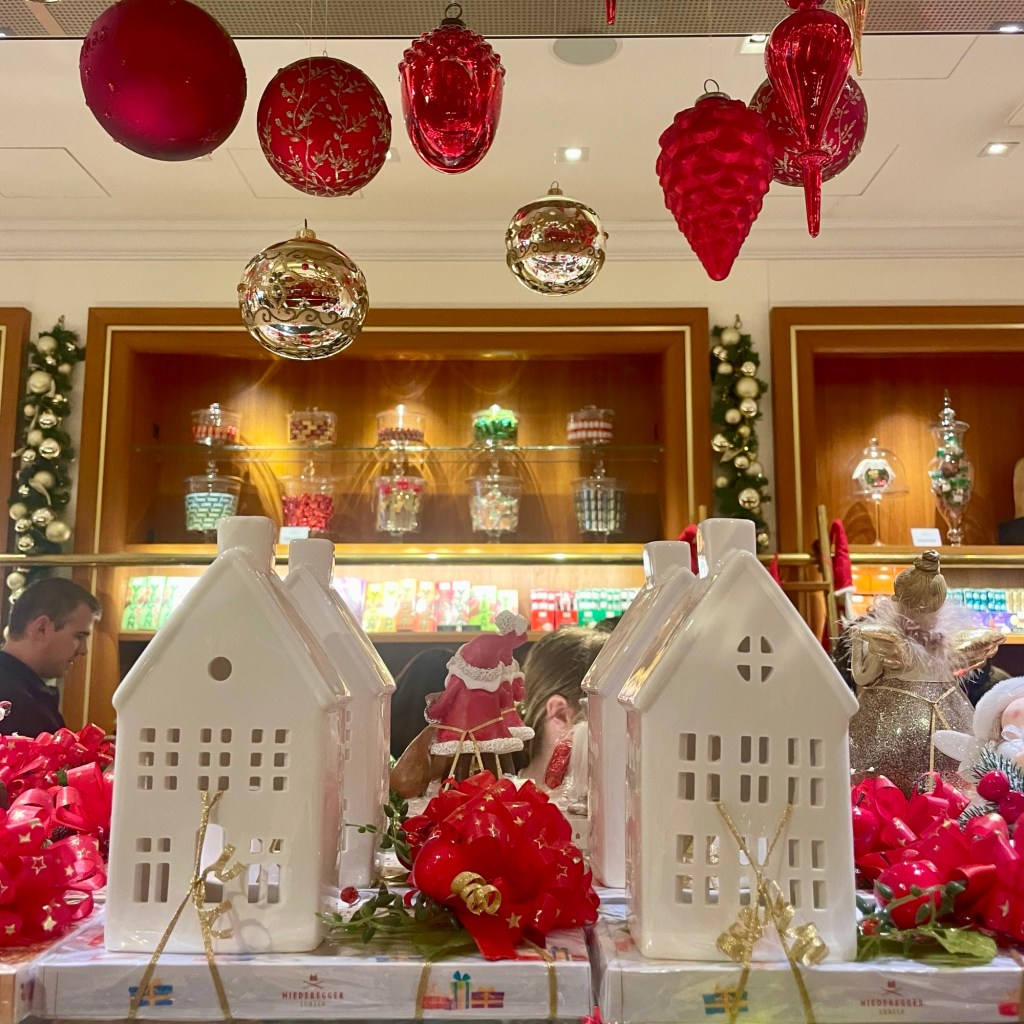
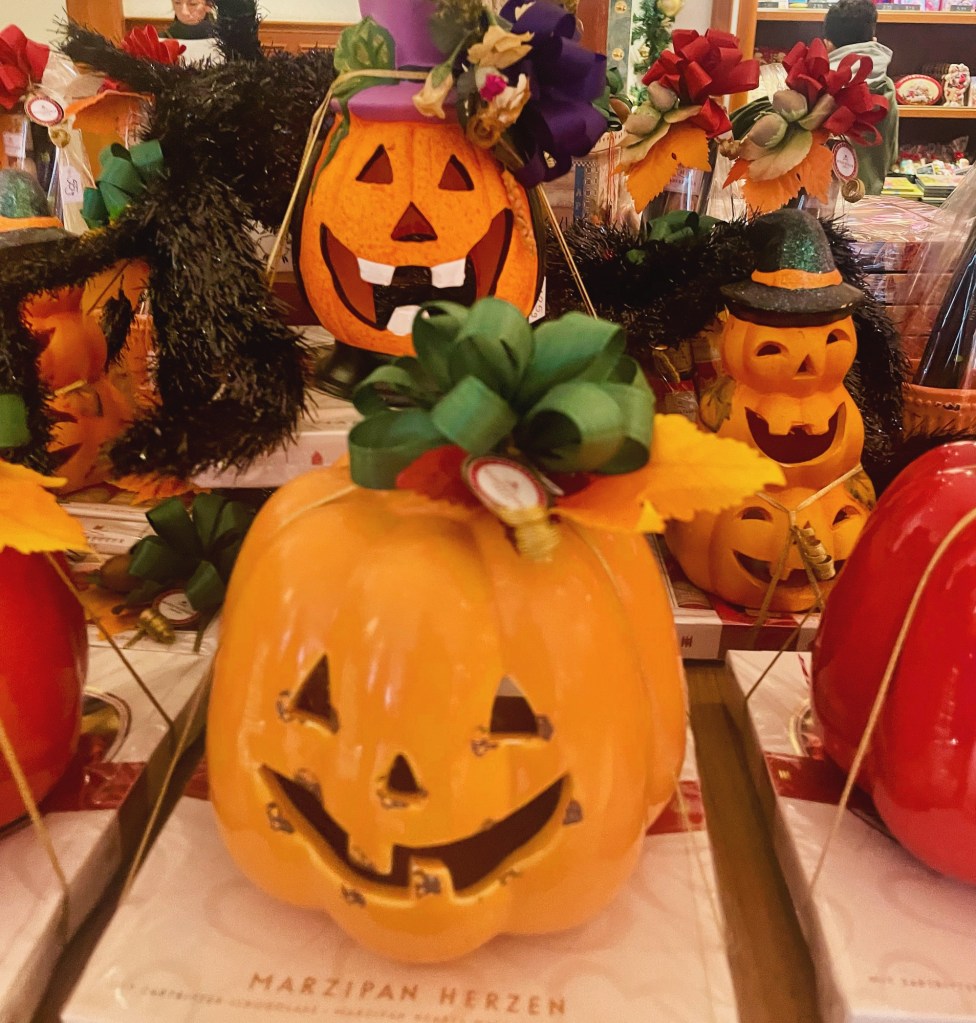
While in the Lübeck Niederegger shop at the ground floor, surrounded somehow by both Halloween and Christmas decorations, I had a cup of coffee with marzipan and tasted few different sortiments. Marzipan fruit-shaped desserts and mousse au chocolat? Amazing. Cream nougat praline or orange and crunchy hazelnut marzipan heart? Yes, please. Apple punch or spiced speculoos marzipan in milk chocolate with a taste of winter (and Belgium)? Why not getting in the holiday spirit.
Read also – From Brussels with chocolate
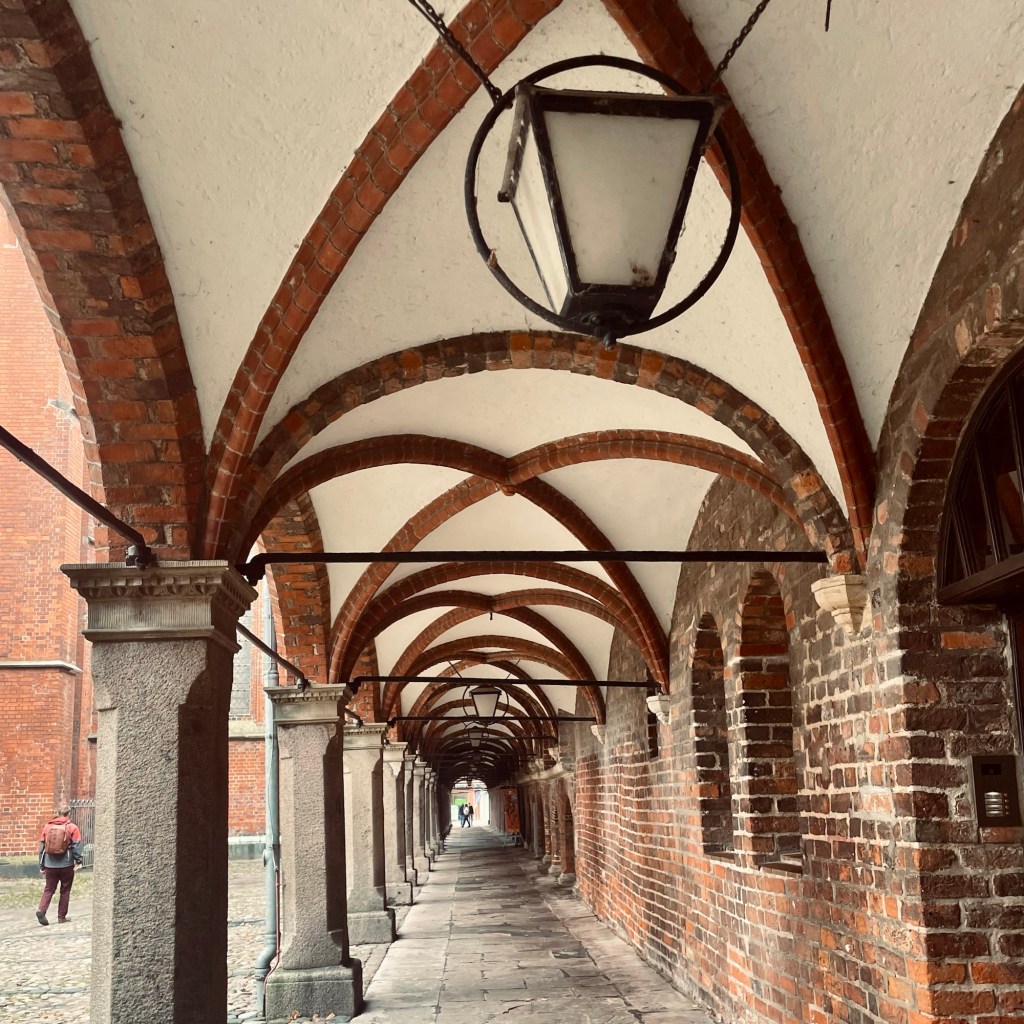
In the end, I concluded pralines with pistachios marzipan filling in dark chocolate were my favorite, and left the store with a few treats and Christmas gifts ideas. After a sugar rush, I could explore the pretty city of Lübeck, with medieval architecture and even a Baltic Sea resort, Travemünde. In fact Lübeck’s historic old town is the largest UNESCO site in all of Germany. It is nicknamed the city of seven towers due to seven prominent churches located in the narrow streets.
From Orient to the Baltic Sea
Where does marzipan come from? Well, it has its origins in the Orient, as expected, and the Persians were the firsts to mix almonds and sugar. The small museum located in the second floor had the entire story. The Greeks and Romans brought it from Persia to the Middle East. It was the Arabs who cultivated sugar cane in Spain and Portugal. Later, the conquest of the Iberian Peninsula and the crusades, paved the way for marzipan to enter Europe especially thanks to Venice merchants. And here we are today.
Lastly, Lübeck Niederegger advertisements from over the years were displayed on the museum walls. The one that I remember was – New York, Paris, Berlin, Tokyo, our confectionery travels the world. Niederegger stands for “Marzipan of World Renown“.


 Travel Journal